Pigeon Friendship Story

Lucas Schneider
| 13-08-2026
 · Animal Team
Hello Lykkers! In a quiet city square, a simple scene often unfolds: an elderly person sitting on a bench, gently scattering seeds while a group of pigeons gathers nearby. To some people, it may look like an ordinary daily activity.
But for many older adults, feeding pigeons is much more than offering food to birds—it is a meaningful moment of companionship, connection, and joy. The relationship between elderly people and pigeons shows how even small interactions with animals can bring comfort and happiness.
These gentle encounters remind us that companionship does not always need words. Sometimes, the quiet presence of another living creature is enough to brighten someone’s day.
A Daily Ritual Filled With Meaning
For many elderly people, feeding pigeons becomes a cherished daily routine. The simple act of walking to a familiar place, seeing the same birds, and watching them gather creates a sense of purpose.
As people grow older, their daily lives may become quieter. Retirement, changes in family situations, or reduced social activities can sometimes lead to feelings of loneliness. A regular connection with pigeons can provide a reason to step outside, enjoy fresh air, and experience a small moment of happiness. The pigeons may not understand the kindness behind the gesture, but their return creates a special bond. Seeing familiar birds arrive can feel like meeting old friends.
Why Birds Can Bring Emotional Comfort
Animals have a unique ability to create emotional connections with humans. While pigeons may not be traditional pets like dogs or cats, their presence can still provide companionship.
Watching pigeons move, interact, and respond can be calming. Their gentle cooing, playful behavior, and familiar routines offer a peaceful experience. For an elderly person sitting among birds, the moment can become a welcome escape from stress and isolation.
Research on human-animal relationships suggests that interactions with animals can support emotional well-being among older adults. A study exploring animal companionship among people aged 65 and older found that animal relationships can be an important part of social connections and may be associated with aspects of health and daily functioning.
The Science Behind Human-Animal Connections
Dr. Andrea Ungar is a geriatrician and researcher at the University of Florence who studies aging, health, and human-animal relationships in older adults.
Dr. Ungar and colleagues have examined how relationships with animals may support older people’s well-being. Their research highlights that animal companionship and animal-assisted interactions can provide emotional and social benefits, although the effects depend on individual circumstances and the type of relationship.
This research helps explain why a simple activity like feeding pigeons can feel meaningful. The value is not only in the birds themselves but also in the routine, connection, and sense of care involved.
Pigeons: Often Misunderstood City Companions
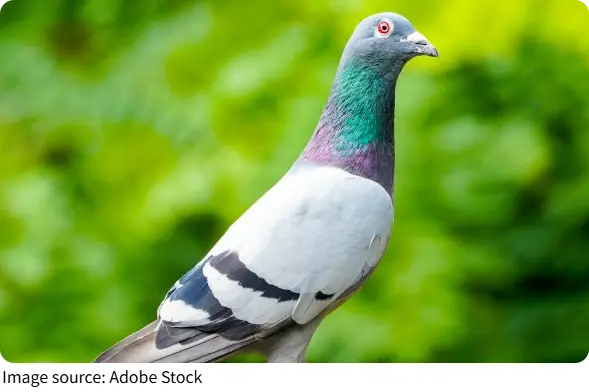
Pigeons are sometimes overlooked because they are common in many urban areas. However, these birds have a fascinating history with humans. For thousands of years, pigeons have lived alongside people as messengers, companions, and symbols of peace.
Their ability to recognize places and adapt to city environments makes them remarkable survivors. They are intelligent birds that can remember locations and develop familiar patterns of behavior.
For an elderly person who regularly feeds pigeons, these birds may become recognizable individuals rather than just part of the crowd. A certain pigeon with unique markings or a familiar personality may even become a special visitor.
A Connection Built on Kindness
The relationship between an elderly person and pigeons is a beautiful example of kindness without expectation. The person provides food and care, while the birds provide company and a reason to engage with the world around them.
This connection can also create opportunities for social interaction. People who gather in parks to watch or feed birds may meet others who share the same interest, creating new friendships and conversations.
The Beauty of Small Moments
A person feeding pigeons may seem like a simple everyday scene, but it represents something much deeper. It reflects compassion, patience, and the human desire to connect with other living beings.
For many elderly people, these birds become part of their personal story—a small but meaningful presence that brings comfort and happiness.
A Gentle Reminder From Nature
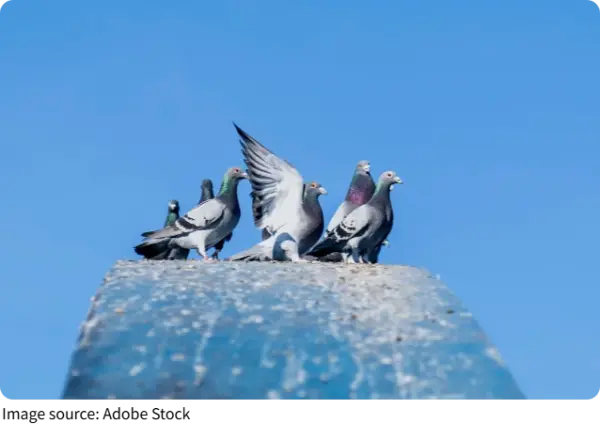
Lykkers, the next time you see an elderly person feeding pigeons, take a moment to appreciate the beauty of that connection. It is not just about birds gathering for food. It is about companionship, routine, and the quiet joy that can come from caring for another creature.
Sometimes, the smallest acts of kindness create the strongest bonds. A handful of seeds, a group of waiting pigeons, and a peaceful moment together can become a powerful reminder that connection exists everywhere—even in the simplest corners of everyday life.