Goat Climbing Habits

Naveen Kumar
| 11-08-2026
 · Animal Team
Have you ever seen a goat standing on a steep hillside or balancing on a narrow rock and wondered what makes it so confident? Climbing is not simply a funny habit.
For goats, reaching higher ground can be useful in many parts of daily life. Their body structure, feeding habits, curiosity, and ability to handle rough landscapes all help explain why they are such capable climbers.
Finding Food Above the Ground
One important reason goats climb is to reach food. As plant-eating animals, they feed on leaves, young shoots, grass, and other vegetation. Some fresh leaves and tender plants grow higher than an ordinary grazing animal can reach.
A goat can place its front feet on a rock or slope, stretch its neck, and carefully reach vegetation nearby. This ability gives it access to food in places that may be difficult to reach from level ground. Instead of depending on one feeding area, goats can explore different heights while searching for suitable plants.
A Body Built for Balance
We can understand their climbing ability by looking at their physical features. Goats have strong legs, flexible joints, and hooves that help them maintain contact with uneven surfaces. Their feet are especially useful when they move across rocks or steep ground.
When climbing, a goat does not simply rush upward. It often checks the surface before placing each foot. Small adjustments in body position help it stay balanced. This careful movement allows the animal to travel across slopes that may look difficult to us.
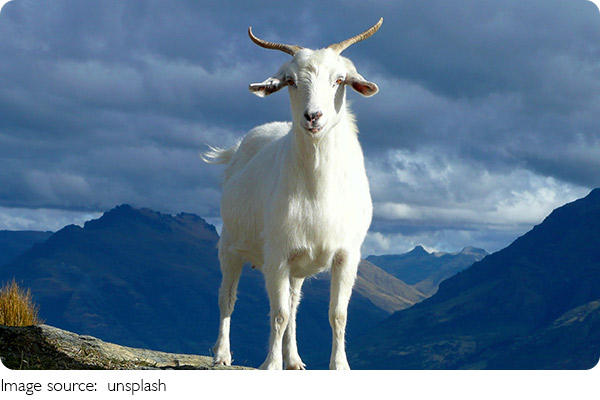
Adapting to Rough Landscapes
Many goats are comfortable in areas with hills, rocky paths, and uneven ground. For them, moving uphill can be a normal part of traveling from one place to another.
We may notice that a goat changes its pace when the surface becomes steeper. It takes shorter steps, keeps its body steady, and chooses stable places for its feet. Over time, this kind of movement helps the animal become familiar with challenging terrain.
Getting a Better View
A higher position can also give goats a wider view of their surroundings. When standing above the ground, they can see more of the landscape around them. This can help them notice changes in nearby areas and keep track of what is happening around them.
A raised place may also offer a comfortable spot for pausing. After feeding or moving around, a goat may stand quietly on a slope while looking across the area. From our point of view, it may appear to be posing, but it is often simply observing its surroundings.
Following Other Goats
Goats are social animals, so climbing can also be connected with their interactions. When one goat moves toward a raised area, others may follow. Several animals may then gather on the same slope, rock, or platform.
They can feed, rest, explore, or watch the area together. For young goats, following older animals can also provide opportunities to learn where they can safely step and how to move across different surfaces.
Strength and Coordination
Climbing gives goats valuable physical activity. Walking uphill requires their legs to work together while their bodies remain balanced. Crossing uneven ground also requires frequent changes in foot position.
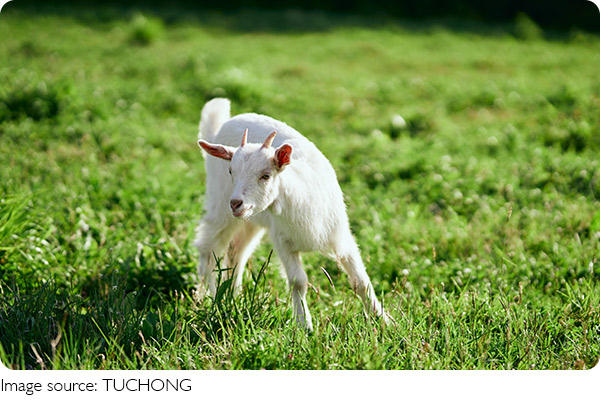
Young goats especially benefit from this kind of movement because they are still learning how to control their bodies. We may see them take a few careful steps, pause, and then try again. These repeated movements help them become more confident and coordinated.
Curiosity Drives Exploration
Food and safety are not the only reasons goats climb. Curiosity also matters. Goats often investigate unfamiliar objects, surfaces, and places. A raised rock or new platform may immediately attract their attention.
Sometimes, a goat climbs simply because it wants to find out what is there. This behavior gives us another look at their active nature. Exploring their surroundings can be part of learning, feeding, and everyday activity.
Safe Climbing Still Matters
Although goats are skilled climbers, not every raised surface is safe. Loose rocks, unstable platforms, narrow gaps, and damaged structures can cause problems. On farms or in animal areas, we can provide sturdy climbing surfaces with enough space for goats to move comfortably.
Regular checks are helpful too. A secure structure should remain stable when animals step, jump, or move across it. Providing a safe environment allows goats to express their natural climbing behavior without unnecessary risks.
What We Learn From Their Climbing
Lykkers, when we look closely, a goat standing high on a rock is showing much more than good balance. Climbing can help it find food, explore new places, adapt to rough terrain, observe its surroundings, stay connected with other goats, and develop coordination.
The next time we see a goat confidently moving upward, perhaps we can pause and watch its movements more carefully. Is it searching for food, exploring something new, or simply enjoying a higher view? Share your answer with us, and let us know which part of goat climbing you find most fascinating.
Goats Climbing Everything 🐐 The Surprising Instinct Explained!
Video by Animal Side