Lion Apex Hunter

Sofia Alvarez
| 09-08-2026
 · Animal Team
Lykkers, have you ever watched a lion cross a wide grassland and wondered how it became one of nature’s most successful hunters? When we picture a lion, we often think of strength and speed.
Yet its success comes from much more than physical power. It also depends on teamwork, patience, communication, planning, and the ability to adapt.
Life in a Pride
Lions usually live in groups called prides. A pride may include several females, young cubs, and one or more males. Living together gives these animals advantages that a solitary hunter does not have. Members can share food, protect young cubs, and respond together when another group enters their territory.
Hunting With Patience
Lions are not known for long-distance speed like cheetahs. Instead, we often see them depend on patience, positioning, and timing. Before a hunt, they may move slowly through tall grass while keeping their bodies low.
Grass, small hills, and uneven ground can help hide their approach. Rather than running toward prey from far away, lions often try to reduce the distance first. When the moment is right, they can launch a short and powerful attack.
Working As A Team
Teamwork makes this hunting method more effective. Several hunters may approach from different directions, placing pressure on the target and limiting possible escape routes. One lion may move forward while another waits nearby.
This cooperation gives the group more control during a hunt. Instead of depending on one individual, the pride can respond to the movement of its target and change positions when needed.
Power And Technique
Physical strength remains important. Lions have strong bodies, powerful jaws, large paws, and curved claws that help them control prey during a hunt. Their build allows them to deal with animals that can be much larger than themselves.
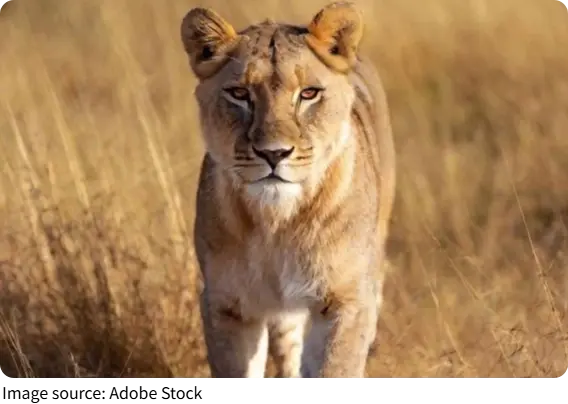
Male lions are known for their large bodies and impressive manes. Females are often the main hunters and can work closely together. Their movements show how physical ability and technique support one another.
Reading The Land
We might think hunting is simply about chasing prey, but the landscape matters greatly. Lions need to recognize areas where prey gather, where water is available, and where natural cover can support a quiet approach.
Conditions change with the seasons. Grass height, water levels, temperature, and prey movement can all affect hunting opportunities. Lions therefore adjust their behavior instead of relying on one fixed method.
Sharing Responsibilities
Life inside a pride also involves different roles. Females commonly handle much of the hunting and care of cubs, while males often spend more time defending territory and the group.
When several members contribute, the pride can use resources more efficiently. Young cubs receive care from more than one female, while other members remain alert to possible threats.
Communication Matters
Communication is another important part of lion society. Lions use roars, shorter calls, body movements, and scent signals to exchange information. A roar can travel across a large area and help other lions recognize the presence of a group.
These signals also help members stay connected. During movement, hunting, or territorial activity, being able to recognize another lion’s sound or body position can help the group respond quickly.
Adapting To Change
Grassland life can be unpredictable. Lions depend on suitable habitat and enough natural prey. When water sources shift, grasslands become fragmented, or prey numbers fall, finding food becomes harder.
We can therefore see adaptability as another important part of their success. Lions need to adjust their movements, hunting methods, and use of available resources as conditions change around them.
Maintaining The Ecosystem
Lions influence the wider grassland environment. As major hunters, they affect prey numbers and can influence where herbivores feed and move. Their presence connects with many other species and natural processes.
For us, this shows why the lion is more than a striking animal. Its role is linked with the wider ecosystem, influencing many species that share the same grassland.
The Real Secret
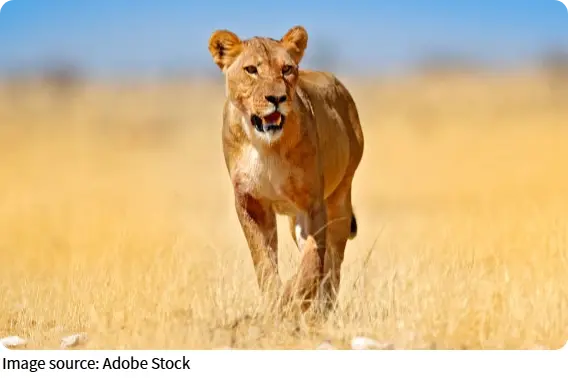
So, Lykkers, what makes lions successful hunters? The answer is not one special skill. Strength gives them physical power. Patience helps them choose the right moment. Teamwork gives them more options, communication keeps the pride connected, and adaptability helps them respond to changing conditions.
The next time we see a lion moving across an open grassland, we can look beyond its powerful appearance. We can notice the careful steps, quiet coordination, and way each member responds to its surroundings. Which ability impresses you most: teamwork, hunting technique, communication, or adaptability?
Lion Facts: Power, Teamwork & Survival
Video by OurBigBlueSky