5 Warnings For Cats!

Pankaj Singh
| 25-05-2026
 · Animal Team
It’s great to see you, Lykkers! cats have a talent for convincing everyone that everything is perfectly fine. One moment they are curled in a sunny corner, the next they disappear for hours, only to emerge looking calm and composed.
But behind that quiet independence lies a survival instinct that makes felines surprisingly good at masking discomfort. A cat rarely announces pain dramatically. Instead, tiny changes in movement, habits, or daily routines often tell the real story.
Veterinary professionals tend to pay attention to details many people brush off as personality quirks or signs of aging. A skipped leap to the bookshelf, a new hiding spot under the bed, or unusual grooming may look harmless at first glance, yet these subtle shifts can signal physical pain, illness, or emotional stress. Here are five quiet changes experts would never dismiss.
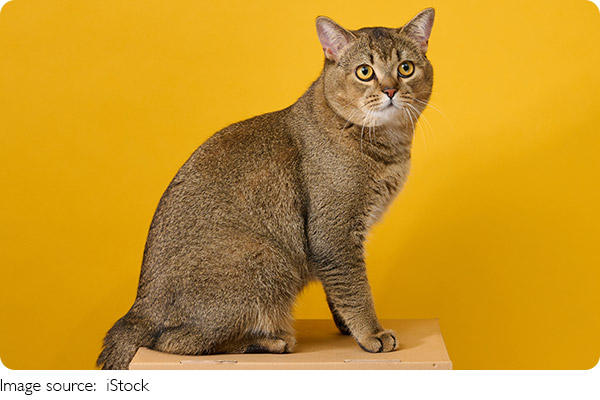
When a Playful Cat Starts Slowing Down
Cats naturally sleep for long stretches, so reduced activity can easily go unnoticed. The difference lies in what happens during waking hours. A healthy cat still shows moments of movement—stretching onto furniture, chasing shadows, climbing cat trees, or darting through the house during bursts of energy.
If those routines suddenly fade, it deserves attention. A cat that hesitates before jumping onto familiar surfaces, avoids climbing stairs, or lands awkwardly may not simply be “getting older.” Joint disease, especially osteoarthritis, is increasingly recognized in cats and often hides in plain sight. Unlike dogs, felines rarely limp dramatically. Instead, discomfort appears as reluctance.
Watch for specifics rather than vague impressions. Does your cat no longer sleep on high shelves? Have favorite window perches gone unused? Are jumps shorter or abandoned halfway? These behavioral adjustments often happen because movement hurts.
Pain can also appear indirectly. Some cats become irritable when touched around the hips or back, while others sleep more because motion feels uncomfortable. Even younger felines can experience joint problems, particularly after injuries or due to body weight strain.
Never Ignore These Warning Signs From Your Cat
Feline
Extra Hiding That Feels Out of Character
Cats enjoy privacy, but routine matters. A cat that always naps inside a closet is different from one that suddenly abandons familiar spaces to retreat behind furniture or under beds. Hiding is deeply tied to feline survival behavior. When feeling vulnerable, many cats instinctively seek concealed areas where they feel protected. Illness, fever, digestive upset, injury, or even chronic pain may trigger this response.
The most revealing clue is change. Perhaps a sociable companion stops greeting visitors or skips family routines around mealtime. A confident cat may begin avoiding busy rooms or disappear for long periods. Some become unusually defensive when approached, while others simply withdraw.
Pay attention to context. If hiding follows loud construction, a new pet, or household disruption, stress could be contributing. Yet if the behavior persists without an obvious trigger, it deserves closer observation. Persistent withdrawal paired with reduced appetite, altered grooming, or lower energy should never be ignored.
Grooming That Becomes Too Much of a Good Thing
Cats are famous for meticulous cleaning, but there is a difference between healthy grooming and compulsive licking. Overgrooming usually appears in patterns. You may notice thinning fur on the belly, legs, or sides of the body, sometimes accompanied by smooth bald patches. Excessive licking may happen quietly, often late at night or during moments of rest, making it easy to miss.
The reasons can vary widely. Skin irritation caused by parasites, food sensitivities, or environmental allergies frequently triggers repetitive licking. Discomfort from arthritis or internal pain may also lead a cat to focus intensely on one area. Stress deserves equal attention. Cats sensitive to changes in routine, conflict with another animal, or boredom sometimes redirect anxiety into repetitive grooming behavior.
Environmental enrichment matters more than many realize. Scratching surfaces, climbing areas, predictable routines, puzzle feeders, and interactive play sessions can reduce mental strain. Still, persistent hair loss or nonstop grooming should be evaluated because skin disease and pain often hide beneath the surface.
Obsessive Licking of One Paw
A cat repeatedly licking a single paw deserves closer inspection. Unlike general grooming, this behavior often points to a localized problem. A damaged nail, splinter, minor wound, insect sting, or embedded object may be responsible. One overlooked issue veterinarians frequently mention is nail overgrowth.
If claws are not worn down through scratching or routine trimming, a nail can curve excessively and begin pressing into sensitive tissue. In severe situations, it may curl into the paw pad itself, creating swelling, tenderness, and infection. Look closely for redness, swelling, limping, or resistance when touching the foot.
Cats may hide discomfort surprisingly well, so repeated attention to one paw should never be dismissed as harmless fussiness. Providing sturdy scratching posts and checking claws regularly can help prevent painful nail complications before they escalate.
Appetite Changes That Last Beyond a Day
Many cats have strong food preferences, which makes occasional pickiness seem normal. Still, a sudden drop in appetite is one of the clearest warning signs veterinarians watch closely.
A cat skipping food for more than a short period may be experiencing dental pain, digestive trouble, infection, stress, nausea, or systemic illness. Subtle clues matter here too. Some cats approach the bowl, sniff, and walk away. Others chew awkwardly or favor soft food over dry kibble.
What makes appetite loss especially concerning is how feline metabolism reacts to fasting. Cats are vulnerable to serious liver complications if they stop eating for too long because stored energy begins moving to the liver in a way the body struggles to process efficiently.
Hydration matters as well. Less eating often means reduced water intake, increasing risk for additional complications. Instead of waiting for appetite to “come back eventually,” track patterns carefully. Notice whether food refusal is sudden, gradual, or paired with vomiting, hiding, weight loss, or lethargy.
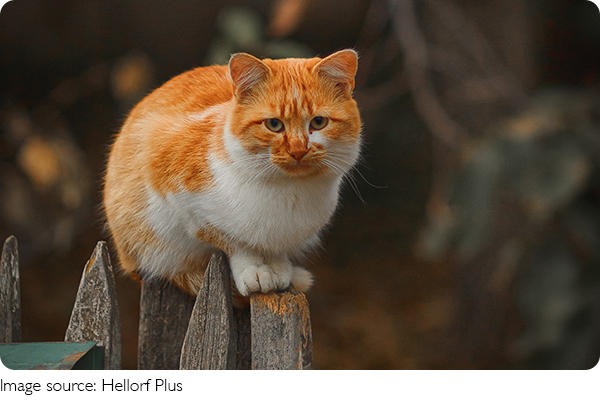
Cats rarely shout when something feels wrong. More often, they whisper through altered routines: skipping a jump, hiding longer, licking too much, or ignoring dinner.