Nature Parenting Roles
Ravish Kumar
| 15-05-2026
 · Lifestyle Team
Hello Lykkers, when we plan time outdoors with children, we often imagine a calm and meaningful experience. Fresh air, open space, and shared moments sound simple enough. We expect connection, curiosity, and easy communication.
But once we are actually outside, the situation often feels very different. Children may move quickly from one thing to another, touch everything around them, ask many questions at once, or become fully absorbed in their own exploration.
Meanwhile, caregivers may find themselves repeatedly giving instructions like “be careful,” “stay close,” or “don’t touch that.”
By the time the outing ends, we might feel tired, slightly distracted, and unsure whether the time was truly meaningful.
So a key question appears: when we go outdoors with children, what role should we actually take?
The Quiet Companion Role
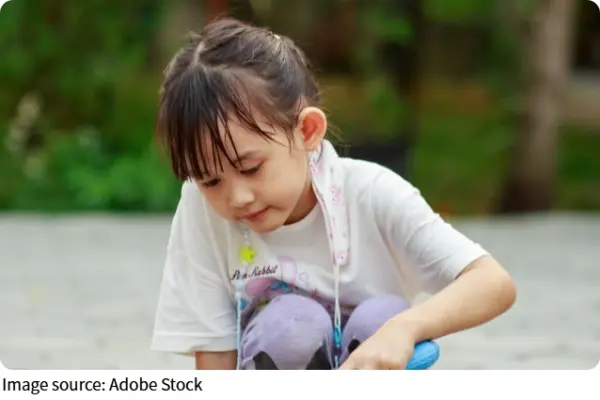
Children learn through direct experience. They understand the world by touching, observing, moving, and testing ideas in real time. Outdoors, every small detail becomes part of their learning journey.
A leaf, a stone, moving water, or uneven ground can all become moments of discovery. However, caregivers often focus strongly on safety, cleanliness, or efficiency. We may stop exploration when things feel messy or unpredictable, even when no real danger exists.
This can unintentionally interrupt a child’s learning flow. Too many instructions can shift the experience from exploration to restriction, where curiosity is constantly paused.
Instead, we can take on the role of a quiet companion. This means staying nearby, observing calmly, and allowing children space to explore at their own pace. We step in only when necessary, not as a constant guide, but as a steady presence.
Balancing Protection and Space
Outdoors, not every situation carries the same level of risk. Some situations require immediate action, such as unsafe environments or fast-moving surroundings. In these cases, caregivers need to respond quickly and guide children to safer areas.
However, many outdoor moments involve manageable uncertainty. In these situations, guidance can be gentle rather than restrictive. The way we speak also shapes how children feel.
Instead of focusing on limits, we can shift toward alternatives. For example, rather than saying “don’t do that,” we can say “let’s try it this way” or “we can place it here instead.” This change in language helps children understand direction without feeling discouraged.
This balance allows children to explore while still feeling supported. It also helps us stay engaged with the experience rather than becoming constant supervisors.
The Active Supporter Role
Some people assume outdoor time belongs entirely to children, while they simply watch from a distance. But meaningful learning often grows from shared attention. When a child excitedly shows something small, such as an unusual insect, a piece of bark, or a natural object they have discovered, the grown-up response becomes important.
Instead of dismissing the moment or trying to explain everything immediately, we can join their curiosity. Simple open-ended questions work well because they do not require correct answers. They encourage thinking and observation.
For example:
- What do you notice about this?
- How does it feel or look different from others?
- Where might we find something similar?
- What could change if the environment changes?
These questions help children reflect more deeply. They also show that their discoveries matter. Over time, this builds confidence in thinking, observing, and exploring.
We do not need to turn every moment into a lesson. Sometimes, shared curiosity is enough.
The Nature Role Model
Children often learn more from what we do than from what we say. If we want them to develop a respectful and balanced relationship with nature, our own behavior becomes the most important example.
For instance, when children encounter something new, such as climbing a tree or stepping onto uneven ground, they often look to caregivers for cues. Instead of controlling every action, we can help them think through simple safety awareness in a calm way.
Emotional responses also matter. If a child feels uncertain or uncomfortable, that feeling should be acknowledged rather than dismissed. Pressuring children to act beyond their readiness can reduce trust and confidence.
When children are allowed to experience nature gradually, they learn how to understand both curiosity and caution. This helps them build their own sense of judgment over time.
Nature includes both calm beauty and unexpected moments. When we respond with patience and respect, children naturally learn to do the same.
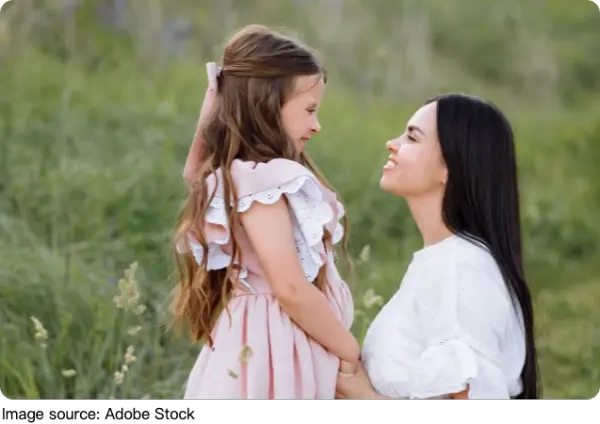
A helpful way to think about presence outdoors is the idea of a “hummingbird mode.” It describes a gentle, observant presence that stays close but does not control every movement.
In this role, we are not directing every action. Instead, we remain available, attentive, and supportive while allowing children to lead their own exploration.
Outdoor time does not need to be measured by structured outcomes. It can simply be a shared experience of attention, curiosity, and connection.
So when we step outside with children, we can reflect on our presence: are we acting as a calm companion, a supportive guide, and a thoughtful role model?
When we take on these roles, outdoor experiences become more relaxed, more natural, and more meaningful for everyone involved.