Pick Leather Right

Ethan Sullivan
| 13-05-2026
 · Fashion Team
There's a version of this that happens to almost everyone: a leather bag catches the eye, looks incredible in the store or online, and two weeks into daily use it's already showing wear, the handles feel awkward, or it simply doesn't carry what it needs to.
The bag isn't bad — it's just the wrong bag. Picking a leather handbag for everyday use requires thinking through a few things before aesthetics even enter the picture.
Start with the leather type. Not all leather is equal, and the grade makes an enormous difference in how the bag holds up over time. Full-grain leather is the strongest — it retains the natural grain of the hide, breathes well, develops a rich patina as it ages, and won't peel or split like synthetic alternatives. Top-grain leather is close behind: slightly lighter, a touch smoother, still a solid daily-use choice. What to avoid is bonded leather, made from scraps pieced together chemically. Looks fine at first, breaks down fast. For a bag that goes out every single day, full-grain is worth every extra dollar.
Size and Weight: Think About Your Actual Routine
Before landing on a size, think through what actually goes in the bag on a typical day. Phone, wallet, keys, maybe a notebook or tablet — that's the core for most people. If work is involved, the bag needs to hold a laptop and documents without sagging or losing structure. The right size fits those items comfortably without feeling overstuffed. Weight matters too. Leather is naturally heavier than canvas or nylon, and a larger bag filled with daily essentials adds up fast. Hold the bag before buying — if it feels noticeably heavy while empty, it's going to be exhausting by midday.
Versatility and Style That Actually Works
The best everyday bag is one that transitions without effort — from the office to a casual lunch to an evening out without looking out of place. Classic silhouettes in neutral tones like black, tan, cognac, or deep brown tend to work across the most outfit combinations without needing to think about it. A bag design that's too specific to one aesthetic or occasion ends up sitting in the closet more often than it should. Tote bags offer generous space and easy access. Structured handbags hold their shape and read more polished. Sling and crossbody styles work when hands-free matters most.
Construction Details Worth Checking
The stitching is what holds a bag together — literally. On a well-made bag, stitches are small, uniform, and run in clean straight lines. Uneven or loose threads at the seams are a sign of rushed production. Check the hardware too: zippers, clasps, and D-rings should feel solid when handled, not hollow or light. Hardware that wobbles or feels flimsy tends to fail early on a bag that's used daily.
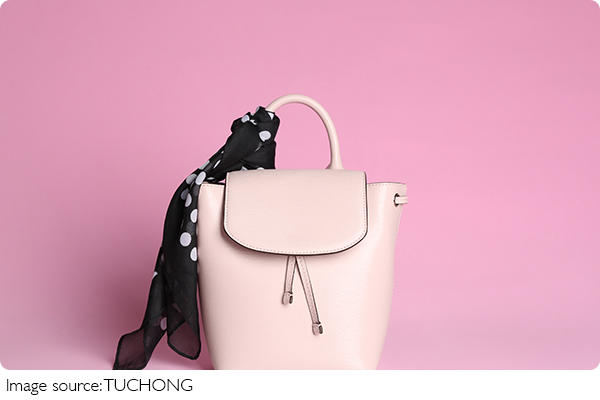
The handles should be reinforced at the attachment points — this is where the stress concentrates every time the bag is carried. For regular conditioning and cleaning, leather responds well to simple care: a soft damp cloth for surface dirt and a leather conditioner every few months keeps it soft and resistant to cracking for years.