Pilea Peperomioides

Declan Kennedy
| 10-03-2026
 · Plant Team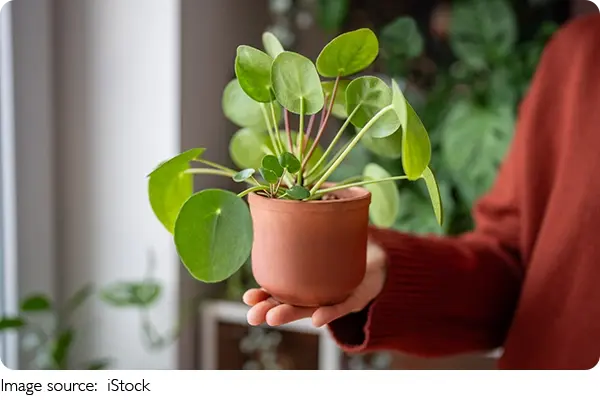
When I brought home my first Pilea peperomioides, I had no idea how transformative this unassuming houseplant would be.
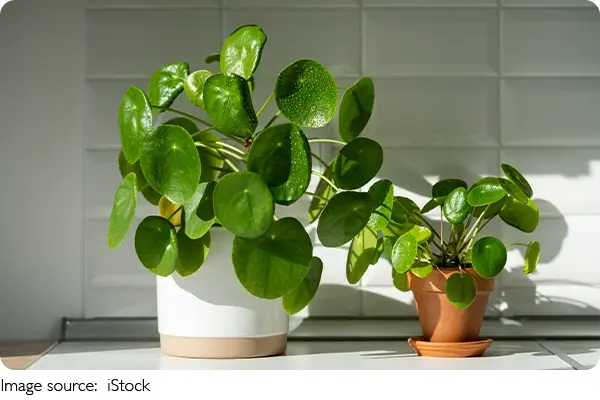
With its round, pancake like leaves and upright stems, the Chinese money plant quickly became a favorite in my living room.
But beyond its charming appearance lies a plant that thrives with the right care, light, water, and attention. Over time, I learned that a bit of routine and observation turns a fragile seedling into a thriving, leafy companion.
In this guide, we explore the practical steps for caring for Pilea peperomioides—how to water it correctly, what soil it prefers, how to propagate its pups, and how to keep it healthy year round. Whether you're a first time plant owner or looking to grow your collection, these tips are based on reliable plant care sources and proven methods.
Light and Environment
1. Choose the right light
Pilea peperomioides does best in bright, indirect light. Place the plant near a north or east facing window where it receives plenty of ambient light without harsh direct sun. Too much direct sunlight can scorch the leaves or cause browning, while too little light results in stretched, leggy growth. Rotate the plant regularly to encourage even leaf development and a symmetrical shape.
2. Monitor room conditions
These plants thrive in typical indoor conditions with temperatures between approximately 60°F and 75°F (16–24°C). Avoid exposing the plant to cold drafts, air conditioning vents, or direct heat sources, as sudden temperature changes can stress the foliage. Moderate household humidity is generally fine, but occasional misting can be beneficial.
3. Avoid extremes
While Pileas are adaptable, they do not appreciate extreme conditions. Avoid placing them in low light corners or direct midday sun, and ensure the plant is not in a spot where temperature fluctuates dramatically. Proper light and stable temperatures lay the foundation for healthy growth.
Watering and Soil
1. Water wisely
Pilea peperomioides prefers a “soak and dry” watering routine. Water thoroughly only when the top inch or two of the soil feels dry to the touch. Overwatering can lead to root rot, so make sure excess water drains away and never let the plant sit in water. During cooler months, reduce watering frequency as growth naturally slows.
2. Use well draining soil
A well draining potting mix is essential for preventing waterlogged roots. A blend of quality potting soil with perlite or pumice works well because it promotes airflow and prevents compacted, soggy soil that can cause root problems. Also use a container with drainage holes to ensure good water flow.
3. Adjust according to seasons
In spring and summer when the plant is actively growing, it may need more water and attention. In fall and winter, growth slows and so should watering and fertilization. By tuning into seasonal needs, you help the plant thrive year round without stress.
Feeding, Propagation, and Maintenance
1. Fertilize during growth
During the active growing season (spring and summer), feed your Pilea approximately once a month with a balanced, water soluble fertilizer diluted to half strength. Avoid fertilizing in fall and winter, when growth slows and the plant needs fewer nutrients.
2. Propagate by division
One of the most delightful features of Pilea peperomioides is its ability to produce “pups” – small offshoots that grow around the base of the mother plant. When these pups are about 2–3 inches tall and have their own leaves, they can be gently separated and potted individually in well draining soil. This allows you to multiply your Pileas or share with friends.
3. Pruning and shaping
Regularly remove any yellow or dead leaves to encourage healthy growth. If your Pilea becomes leggy, pruning can encourage a bushier shape. Trim older stems carefully to promote new leaf development. These maintenance steps help keep your plant looking lush and attractive.
Common Issues and Troubleshooting
1. Leaves turning yellow
Yellowing leaves can indicate overwatering, inadequate light, or even sudden temperature changes. Evaluate your watering schedule and light exposure first when you see this symptom.
2. Leggy or sparse growth
If your plant looks stretched with fewer leaves near the base, it likely needs more bright, indirect light. Try relocating it to a brighter spot or using a grow light to supplement light levels.
3. Pests and cleanliness
Although relatively hardy, Pileas can sometimes attract pests like aphids or spider mites. Wipe leaves gently with a damp cloth to keep them clean and inspect regularly for pests. Address infestations early with appropriate plant care products.
Watching a Pilea peperomioides thrive under your care can be surprisingly rewarding. With its distinctive round leaves and friendly, easygoing growth habit, it brings character and greenery into any room. The simple act of tuning into its needs — providing balanced light, careful watering, and occasional propagation — not only keeps the plant healthy, but also cultivates patience and observation in the plant caretaker. The more you learn about your Pilea, the more it feels like a partnership, growing stronger with each season.