Flamingo Wonders

Caroll Alvarado
| 25-02-2026
 · Animal Team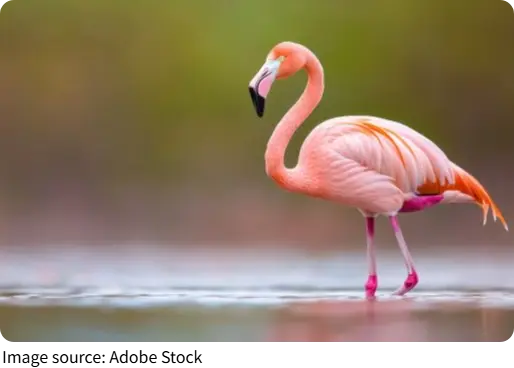
Watching a flock of flamingos wade through shallow waters is almost magical.
Their vibrant pink feathers seem to glow under the sunlight, and their synchronized movements make them look like a living ballet.
But beyond their beauty, flamingos have some truly fascinating behaviors and adaptations that help them survive and thrive in unique wetland habitats.
1. Why Flamingos Are Pink
Carotenoid-rich diet
Feather coloration process
Health and signaling
Flamingos owe their pink hue to carotenoids, pigments found in the algae, shrimp, and crustaceans they eat. Their digestive system breaks down these pigments, which are then deposited in their feathers. A brighter pink often signals a healthy bird, making it more attractive to potential mates.
Actionable example: In captivity, zookeepers enhance flamingos' diets with carotenoid-rich foods like shrimp or specialized pellets to maintain their vivid coloration. Observing subtle changes in feather brightness can indicate dietary health.
2. Unique Feeding Style
Filter-feeding technique
Upside-down beak motion
Efficient algae collection
Flamingos have specialized beaks that allow them to filter food from water. They often feed with their heads upside down, using a comb-like structure called lamellae to trap tiny organisms. This method is highly efficient, allowing them to extract protein and nutrients from water that seems almost barren.
Actionable example: Watch flamingos in shallow ponds. You'll notice a consistent sweeping motion of their heads—this isn't random; it's an expertly honed technique perfected over millions of years.
3. Social Behavior and Flocking
Large colonies
Synchronized movements
Protection through numbers
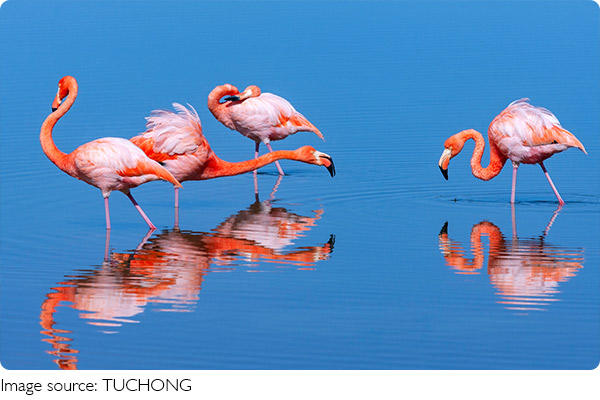
Flamingos are highly social birds, often forming flocks of hundreds or even thousands. Group living helps with predator vigilance and increases breeding success. Their synchronized displays, like head-flagging and wing-spreading, strengthen pair bonds and group cohesion.
Actionable example: When observing a large flock, notice how the birds move almost in unison during feeding or mating displays. These behaviors aren't just beautiful—they help coordinate activities and maintain social order.
4. Breeding and Nesting Habits
Mud mound nests
Single egg strategy
Parental care
Flamingos build cone-shaped nests from mud, ensuring eggs stay above water and are safe from flooding. Each nest usually holds a single egg, which both parents take turns incubating. After hatching, chicks rely on parental feeding through a special “crop milk,” a nutrient-rich secretion, for the first few weeks.
Actionable example: In wildlife reserves, carefully observing nest spacing can provide insights into colony health and breeding success. Overcrowding may indicate habitat stress or limited food resources.
5. Environmental Adaptations
Salt tolerance
Long legs for shallow waters
Feather maintenance
Flamingos thrive in saline or alkaline lakes where few other animals can survive. Their long legs allow wading in deep water to access food, and specialized glands help excrete excess salt. Regular preening ensures feathers stay waterproof and maintains the bright coloration essential for mating displays.
Actionable example: Providing shallow pools with varying salt levels in conservation areas mimics natural habitats, encouraging natural foraging and social behaviors in captive flamingos.
Flamingos are more than just a pretty sight—they are highly specialized and social creatures with fascinating adaptations. Their color, feeding techniques, and social dynamics highlight a balance of beauty and survival strategies that make them truly remarkable. Observing these birds up close offers a glimpse into how evolution and environment shape behavior in striking and surprising ways.