Bright Living Room Benefits

Nolan O'Connor
| 13-02-2026
 · Lifestyle Team
Stepping into a sunlit living room instantly lifts the mood.
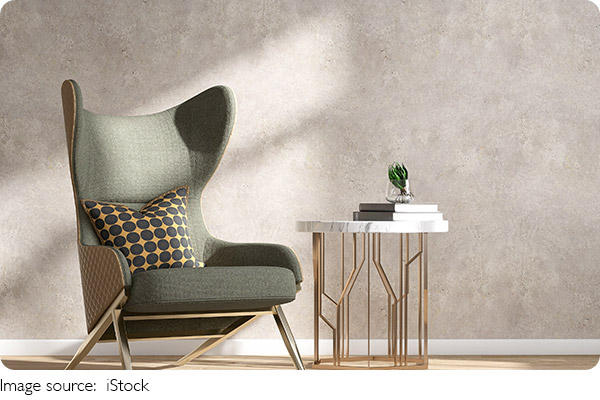
The way light spills across furniture, walls, and floors can make a space feel warm, inviting, and even larger than it really is.
Beyond aesthetics, proper lighting in your living area affects health, energy usage, and the overall ambiance of your home.
Enhancing Mood and Well-being
Natural light is more than just pleasant; it actively impacts mental and emotional health.
Boosts alertness: Sunlight helps regulate the body's internal clock, keeping energy levels steady and improving focus.
Reduces stress: A bright, open space can create a sense of calm, making relaxation easier after a busy day.
Actionable example: Position your main seating near a window that gets morning sunlight. Even 20–30 minutes of natural light exposure can improve mood and concentration for the rest of the day.
Creating the Illusion of Space
Lighting can dramatically affect how spacious a room feels.
Open layouts: Rooms with ample sunlight appear larger because light minimizes shadows and highlights textures evenly.
Reflective surfaces: Mirrors or glossy finishes can bounce natural light around the room, enhancing depth.
Actionable example: Place a medium-sized mirror opposite a window. This doubles the light flow and makes your living area feel more open without moving furniture.
Energy Efficiency and Cost Savings
Good lighting isn't just visual—it can reduce energy bills.
Daytime lighting: Maximizing sunlight reduces the need for artificial lighting during the day, lowering electricity use.
Passive heating: Sunlight warms the room naturally, reducing reliance on heating systems in cooler months.
Actionable example: Keep window coverings light or sheer in common daytime areas. You'll maintain privacy while taking full advantage of natural light and lowering energy costs.
Highlighting Decor and Design
Sunlight enhances the colors and textures in your home.
Color accuracy: Natural light reveals the true hues of walls, furniture, and textiles.
Focal points: Strategic window placement can highlight artwork, plants, or architectural details.
Actionable example: Position a small indoor plant or a decorative object where sunlight naturally falls. The shifting light throughout the day creates dynamic visual interest and makes decor feel alive.
Balancing Light and Privacy
While sunlight is valuable, it's important to control glare and maintain privacy.
Window treatments: Blinds, shades, or light-filtering curtains let you adjust brightness without blocking warmth.
Zoning spaces: Arrange furniture to take advantage of light in activity areas while keeping seating areas comfortable.
Actionable example: Use adjustable blinds in the living room. Open them during the day for light and close partially in the afternoon to reduce glare on screens, balancing comfort with brightness.
Long-Term Benefits of Natural Light
Investing in a sunlit living room has lasting advantages beyond immediate aesthetics.
Healthier environment: Natural light discourages dampness and mold growth, contributing to cleaner air quality.
Property value: Bright, airy rooms are more appealing to potential buyers and increase home marketability.
Actionable example: When renovating or choosing furniture layouts, prioritize window-facing seating and avoid blocking key light sources. This ensures your living space remains bright and inviting for years to come.
Proper lighting in your living room is about more than just seeing clearly—it shapes how you feel, interact, and even save on energy. By understanding sunlight patterns, using reflective surfaces, and balancing privacy with brightness, you can create a living area that is uplifting, spacious, and efficient. A well-lit room doesn't just look good; it feels good every time you walk in.